Hiking in the Sahara Desert in Tunisia is a unique experience combining vast landscapes, silence, and cultural encounters.
This complete guide explains routes, safety, preparation, and the best options for guided Sahara hiking, helping travelers plan a safe, authentic, and unforgettable desert adventure.
Unlike technical trekking destinations, Sahara hiking in Tunisia focuses on slow walking, immersion, and connection with nature and nomadic culture, making it accessible to most travelers when properly organized.
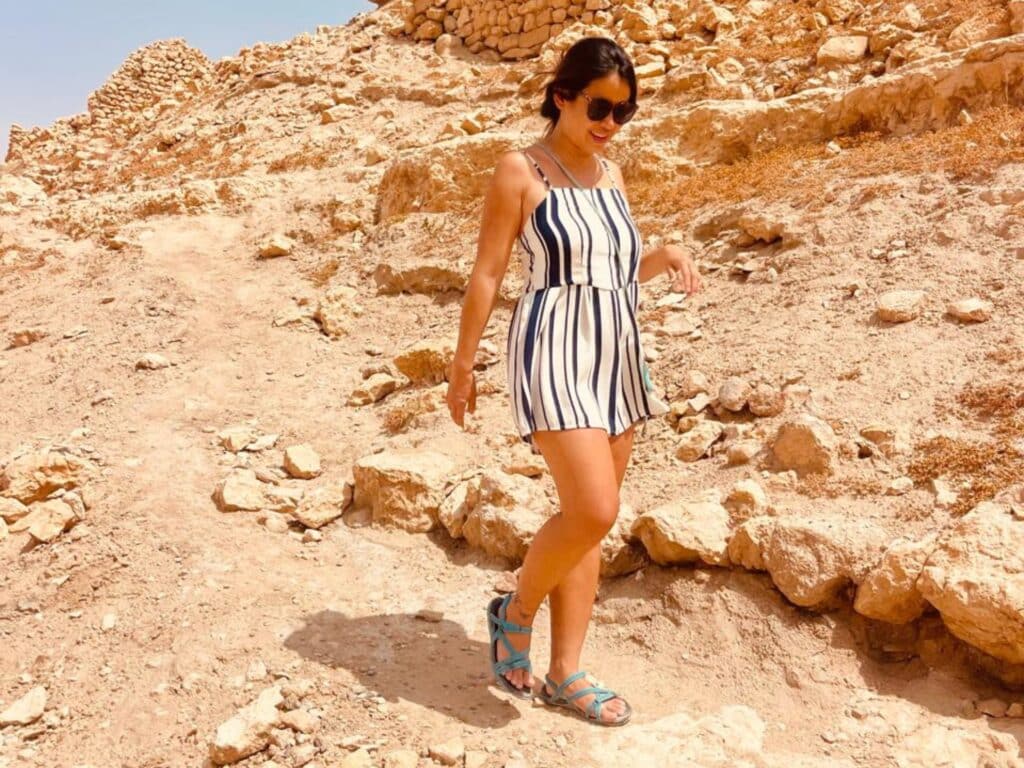
Is Hiking in the Sahara Safe?
Yes — hiking in the Sahara is safe in Tunisia, provided that proper preparation and guidance are in place.
Key safety factors to understand
✔ Preparation is essential
The Sahara is not dangerous by nature, but it is unforgiving to poor planning. Hydration, timing, and route knowledge are crucial.
✔ Weather conditions
- Best season: October to April
- Summer temperatures can be extreme and are not suitable for hiking
- Desert nights can be cold, even in winter
✔ Orientation & navigation
The desert has few visual landmarks. GPS alone is not enough due to battery limits and signal loss.
✔ Importance of local guides
Experienced local and nomadic guides understand:
- Wind and sand conditions
- Safe walking rhythms
- Water sources and bivouac spots
👉 For these reasons, guided Sahara hiking is strongly recommended, especially for international travelers.
Best Areas for Sahara Hiking in Tunisia
Tunisia offers several excellent regions for Sahara hiking, each with its own atmosphere and landscapes.
🏜️ Douz – The Gateway to the Sahara
- Rolling sand dunes
- Ideal for first-time Sahara hikers
- Easy access and strong nomadic presence
🌴 Ksar Ghilane
- Desert oasis with natural hot spring
- Mix of dunes, palm groves, and rocky desert
- Great for short treks and relaxation
🌄 Tozeur Region (Sabria & Desert Edge)
- Salt lakes, dunes, and oasis systems
- Perfect combination of hiking and cultural discovery
➡️ Simple map illustration showing Douz, Ksar Ghilane, and Tozeur region (image placeholder)
Guided vs Self-Guided Sahara Hiking
🔥 Critical decision for safety & experience
| Option | Pros | Cons | Recommended |
|---|---|---|---|
| Guided hiking | Safety, logistics, local knowledge | Higher cost | ✅ YES |
| Self-guided hiking | Freedom | High risk, navigation issues | ❌ NO |
💡 Even experienced hikers are advised to choose guided Sahara hikes, especially for multi-day itineraries involving bivouacs.
What to Pack for Sahara Hiking
A well-prepared backpack makes all the difference in the desert.
Essential Sahara hiking checklist
- ✅ Water (minimum 3–4 liters per day)
- ✅ GPS / smartphone (offline maps + power bank)
- ✅ Lightweight, breathable clothing
- ✅ Warm layer for evenings
- ✅ Sun protection (hat, sunglasses, sunscreen)
- ✅ Comfortable walking shoes
- ✅ Small backpack for day hikes
Most guided tours provide:
- Main equipment
- Bivouac gear
- Camels to carry supplies
Best Guided Sahara Hiking Tours
The safest and most rewarding way to experience Sahara hiking in Tunisia is through organized guided tours, combining walking, cultural discovery, and nomadic life.
Guided hikes typically include:
- Certified local guides
- Camel support for equipment
- Desert camps or nomadic bivouacs
- Meals and logistics
👉 Explore guided Sahara hikes
➡️ (Book a desert trip in Tunisia)
Sahara Hiking Itinerary Example (3 Days)
This 3-day Sahara hiking itinerary is a perfect introduction to desert trekking, combining mountains, dunes, oases, and cultural encounters.
📍 Day 1: Djerba → Dahar Mountains → Douz → Sahara Camp
- Morning departure from Djerba
- Crossing the historic Roman Causeway
- Drive toward the Dahar Mountains
- Guided hike (≈2 hours) in Beni Kheddache–Zammour:
- Rocky landscapes
- Traditional paths
- Panoramic viewpoints
- Visit of Ksar Hallouf, a fortified granary
- Lunch in a local setting
- Drive through Douz, the Gateway to the Sahara
- Arrival at Dunes Insolites Desert Camp (Sabria)
Evening experience
- Sunset walk on the dunes
- Folkloric and equestrian animation
- Traditional bread baked in the sand
- Saharan dinner & campfire
🌙 Overnight in a desert tent
📍 Day 2: Oasis Hike → Desert Trek → Nomadic Bivouac
- Breakfast at the camp
- Oasis hike near the camp:
- Desert vegetation
- Water sources
- Nomadic knowledge
- Lunch at the camp
- Meet nomadic guide and camel handlers
- Desert trek (≈2 hours) across sand dunes
- Arrival at bivouac site
- Tent setup with the guide
- Sunset over the dunes
🔥 Nomadic dinner & campfire
🌙 Overnight under the stars or in a nomadic tent
📍 Day 3: Sahara → Matmata → Toujane → Djerba
- Breakfast in the desert
- Walk back with camels to the camp
- Shower and relaxation
- Drive to Matmata
- Visit troglodyte houses
- Continue to Toujane (Dahar Mountains)
- Guided hike (≈1 hour) through mountain village
- Lunch in a local setting
- Return to Djerba
🚗 End of the adventure
💰 Price
From €240 per person
Ready to Hike the Sahara?
Sahara hiking in Tunisia is not about performance — it’s about rhythm, silence, and human connection. With the right guide and itinerary, it becomes a life-changing experience.
👉 Explore guided Sahara hikes
➡️ (Book a desert trip in Tunisia)
Get a Custom Hiking Itinerary
Every traveler has different expectations:
- Short hikes or longer treks
- Family-friendly or adventure-focused
- More comfort or deeper immersion
👉 Get a custom hiking itinerary
➡️ (Custom Desert Itinerary)
Is Sahara hiking in Tunisia suitable for beginners?
Yes, most Sahara hiking experiences in Tunisia are suitable for beginners. The terrain usually consists of dunes and desert trails rather than technical mountain paths. Guided hikes are paced comfortably and often supported by camels carrying equipment and supplies.
What is the best time for Sahara hiking in Tunisia?
The best time for Sahara hiking in Tunisia is from October to April, when temperatures range between 15°C and 30°C. Summer months are not recommended due to extreme heat, which can exceed 40°C and make long walks unsafe.
Do I need a guide for hiking in the Tunisian Sahara?
Yes, hiring a local guide is strongly recommended for Sahara hiking in Tunisia. The desert landscape can be disorienting, and professional guides ensure safe routes, proper water management, and access to suitable bivouac spots for overnight treks.
LINKS :
- Book a Desert Trip in Tunisia
- Desert Camps with WiFi in Tunisia (Digital Nomad Guide)
- Is the Sahara Safe for Solo Travelers?
- Tunisia Desert Tour Comparison (Best Sahara Tours)
- Best Time to Visit the Tunisian Desert
- Desert Itinerary in Tunisia from Djerba (3–5 Days)
- 7-day desert itinerary Tunisia
- Sahara Hiking in Tunisia: Complete Guide
- Cost of a Sahara Desert Trip in Tunisia (Full Breakdown)
- Sahara Hiking in Tunisia: Complete Guide